
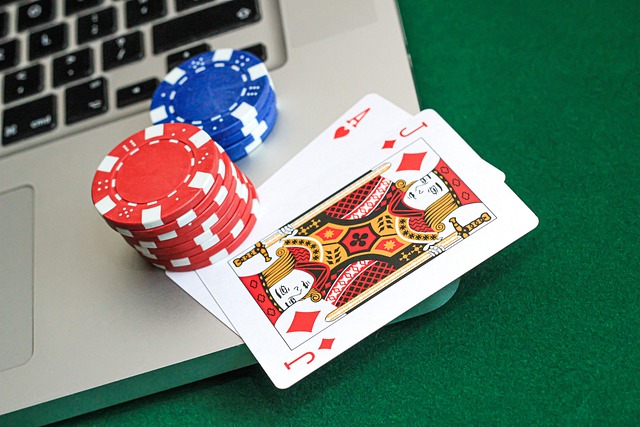
Gambling has been around for centuries, and today it’s more accessible than ever through online platforms like 22bet. But why do so many people enjoy taking chances, even when the odds are against them? The answer lies in the fascinating world of psychology, where emotions, brain chemistry, and human behavior all come together to explain our love for risk.
The Thrill of Uncertainty
One of the biggest reasons people gamble is the excitement that comes from uncertainty. When you place a bet or spin the roulette wheel, you don’t know what will happen. That suspense creates a rush of adrenaline, making the experience feel more intense and enjoyable.
Psychologists call this “variable reward.” Unlike predictable rewards, where you know what to expect, gambling rewards are unpredictable. This unpredictability keeps our brains engaged and encourages us to try “just one more time.”
The Role of Dopamine

Dopamine, a chemical in the brain, plays a huge role in why gambling feels so rewarding. When we win — even a small amount — our brain releases dopamine, making us feel happy and satisfied.
Interestingly, dopamine is also released when we almost win. That “near miss” effect can be just as stimulating as an actual win, which is why people often keep playing after coming close to hitting a jackpot.
The Illusion of Control
Many players believe that their actions can influence the outcome, even in games of pure chance. For example, rolling dice a certain way or choosing specific slot machine buttons. Psychologists call this the “illusion of control,” and it can make players feel more confident and more willing to take risks.
This belief, even if it’s not true, can keep players engaged for longer periods, hoping that their “luck” or “strategy” will eventually pay off.
Social and Emotional Factors

Gambling isn’t just about winning money — it’s also a social activity. Playing poker with friends, chatting with dealers in live casinos, or joining online communities can make the experience more enjoyable.
For some, gambling also provides an escape from stress or boredom. It offers entertainment, distraction, and a way to focus on something exciting instead of daily worries.
Why We Keep Coming Back
The mix of excitement, dopamine, social interaction, and the possibility of winning creates a powerful combination that keeps players returning. Our brains are wired to seek pleasure and avoid pain, and gambling taps directly into that reward system.
Gambling is appealing because it blends uncertainty, excitement, and reward in a way few other activities can match. Understanding the psychology behind it can help players make more informed decisions and enjoy it as entertainment, rather than relying on it for income.
Like any form of entertainment, the key is balance — knowing when to stop and playing responsibly.